Health And Safety
How Often Does My Chimney Need Sweeping?
A question we get asked a lot, the recommendation is as follows:
Home Health & Safety
How often does my chimney need sweeping?
A question we get asked a lot, the recommendation is as follows —
Smokeless fuel: At least once a year.
Wood: Quarterly when in use.
Coal: Quarterly when in use.
Oil: Once a year.
Gas: Once a year.
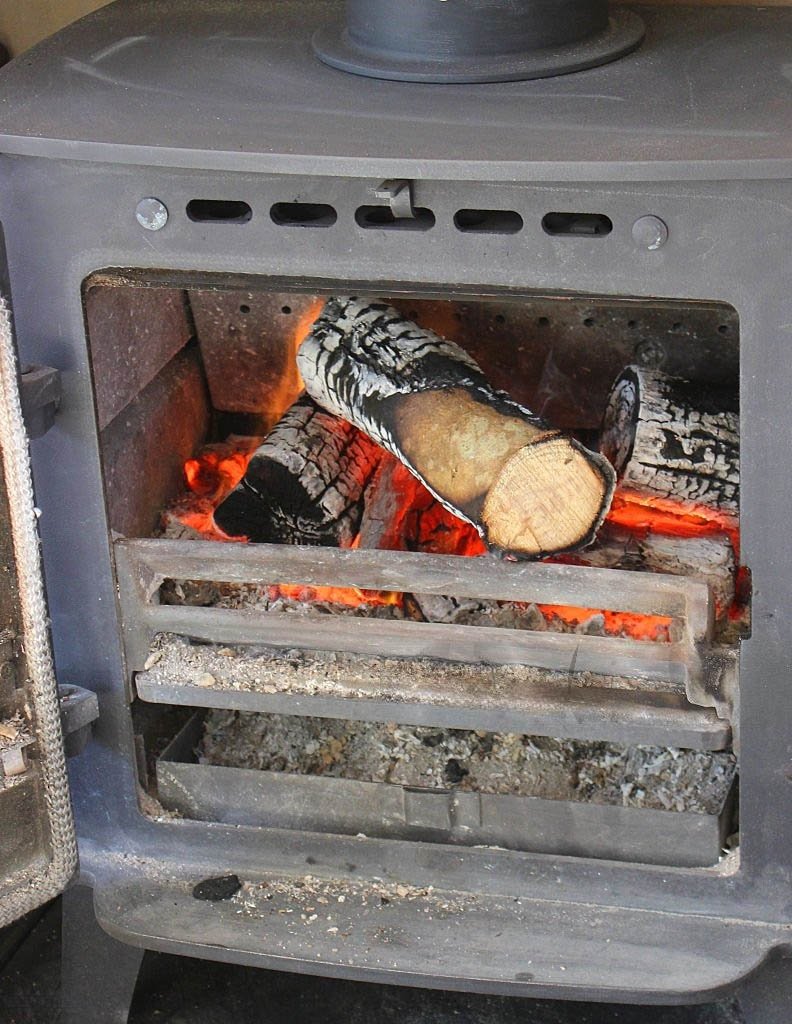
Fuel — burning good quality seasoned wood is highly recommended for the safety of your appliance and the health of the planet. Wood should read no more than 20% moisture on a moisture meter, and should be stored in a dry but airy store off the ground, so it does not soak up moisture and is able to breathe. Burning wood that is not correctly sourced from a supplier, or badly stored, can lead to damage to your firebox, chimney and cowl through excess tar.
Important Safety Item!
The other important item in safety is carbon monoxide, or CO as the periodic table lists it, which is described as the silent killer as there is no taste or smell so you don’t know it’s happening, and symptoms can be similar to flu or a cold. Sadly, in reported cases, people have died.
It is so important to have an in-date, working carbon monoxide alarm! This will be checked during your sweep appointment. These are available from most high street stores, online, or directly from us. Check with the manufacturer and please read their user manual.
Carbon monoxide alarms should be positioned at head height, either on a wall or shelf, approximately 1–3 metres away from a potential source of carbon monoxide such as any gas, solid fuel, wood or oil appliance that can give off CO when in use.
Carbon monoxide alarms should NOT be behind furniture or in a cupboard, or in a position where they can be obstructed.
Carbon monoxide alarms should NOT be next to an external door, window or ventilation equipment such as extractor fans, air vents or similar ventilation openings.
For more information click here.